Problem Solver from the Very Beginning.
What began in 1959 as a sales agency soon developed into in-house manufacturing. Ever since, NEUPACK has supported its customers with practical packaging solutions, reliable production and an eye for what will be needed next.
From Distribution to In-House Production
In 1959, NEUPACK began in Hamburg as a sales agency for margarine cups and lids. At the same time, NEUPACK became Bellaplast’s exclusive representative for the whole of Germany – Bellaplast being a highly capable pioneer in thin-wall packaging and plastic cups. When the company needed support with lid production, NEUPACK took on the task and began manufacturing plastic lids in Hamburg-Altona.
At the same time, NEUPACK distributed Bellaplast’s universal cups, including products for ice cream, delicatessen foods and sampling. When Bellaplast established its own sales organisation, NEUPACK continued the products in its own manufacturing operations.
The emergence of the plastic cup around 1963 coincided with NEUPACK’s early years and marked the beginning of a fundamental development in the food industry, particularly in the dairy sector. Lightweight, hygienic and shatter-resistant packaging opened up new possibilities for filling, transport and marketing. The cup arrived – and NEUPACK was there: ready to embrace this development, put the new possibilities into practice and grow together with its dairy customers.
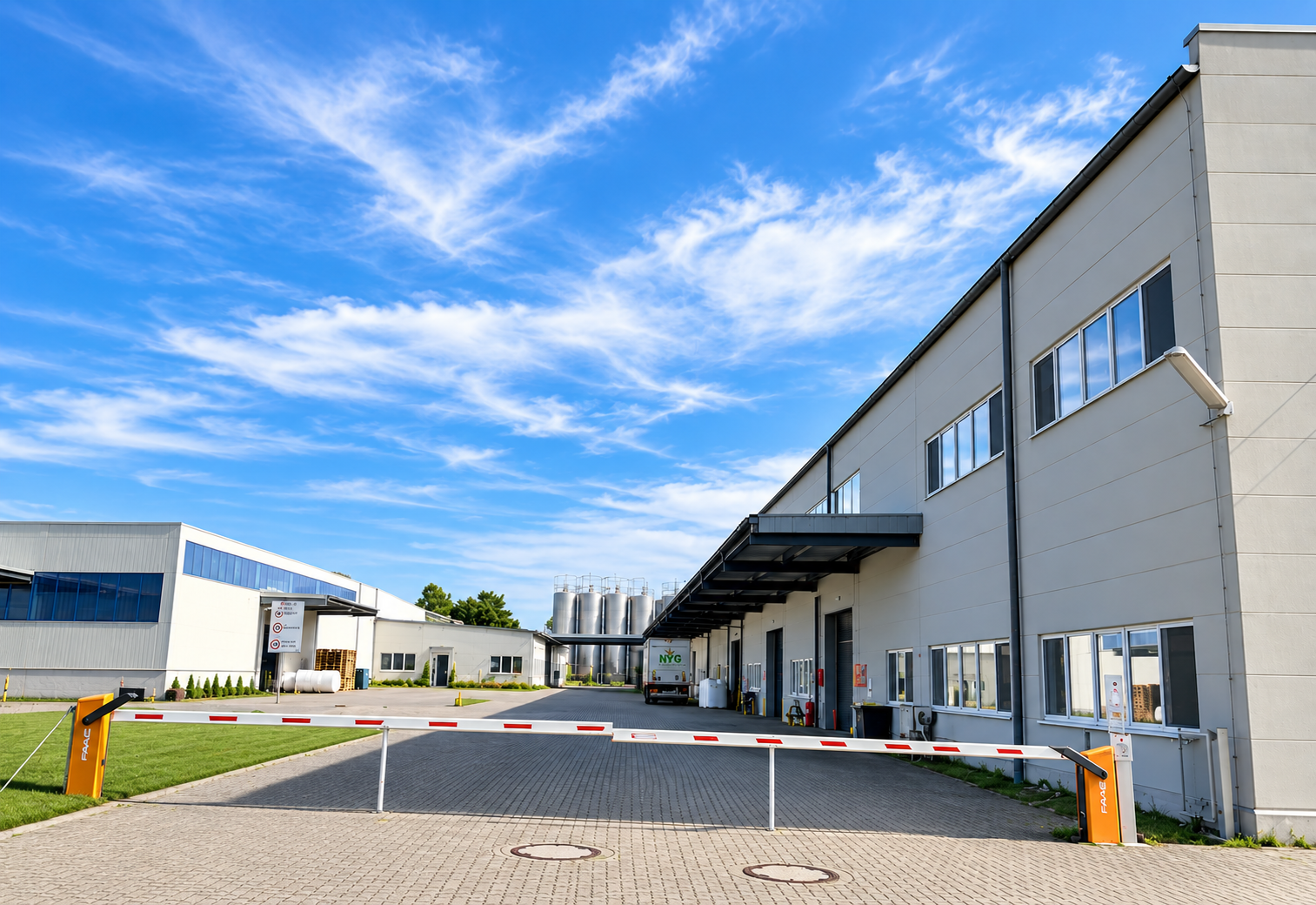
Growth made the move into the company’s own premises in Hamburg-Stellingen as early as 1971 und a further extension in 1986. Within just a few years, the original sales agency had become a manufacturing company. Even the approximately 20,000 m² available in Hamburg-Stellingen today were soon fully utilised. The Rotenburg (Wümme) plant was therefore added in 1995, where around 43,000 m² now provide the basis for further future-oriented expansion.
The Rise of the Plastic Cup – From Transport Container to Driver of Innovation
At the beginning of the 1960s, the dairy industry was undergoing major change. Yoghurt, quark and desserts were still frequently filled into heavy returnable glass containers. Transport, return logistics and cleaning were correspondingly labour-intensive.
At the same time, it created a previously unknown degree of design freedom. Different cup sizes and shapes enabled new product concepts and contributed to the growing variety in refrigerated displays.
Around 1963, the plastic cup provided a decisive impetus for the modern dairy industry. Lightweight, shatter-resistant, hygienic and manufacturable in a wide variety of shapes, it opened up new possibilities. Together with modern filling and sealing processes, it created important conditions for more efficient production and supply chains and for the wider distribution of chilled dairy products.
NEUPACK was involved at an early stage – and developed alongside the dairy industry into a high-performance and versatile packaging manufacturer.
Growing Step by Step
Start as a Sales Agency
NEUPACK starts in Hamburg-Altona, distributing margarine cups and lids.
Entry into In-House Manufacturing
At the request of a supplier, NEUPACK begins producing plastic lids in Hamburg-Altona. Tooling for universal cups is added later.
More Room for Growth
The growing company moves into its own premises in Hamburg-Stellingen.
Running Out of Space Again
The Hamburg-Stellingen site is expanded with an additional building to provide more production space.
Rotenburg (Wümme) Is Added
NEUPACK acquires the site of today’s plant in Rotenburg (Wümme) and subsequently expands the new production location step by step.
Further Expansion in Rotenburg
Another major construction phase creates additional capacity for production and logistics.
Two Locations. One Production Network.
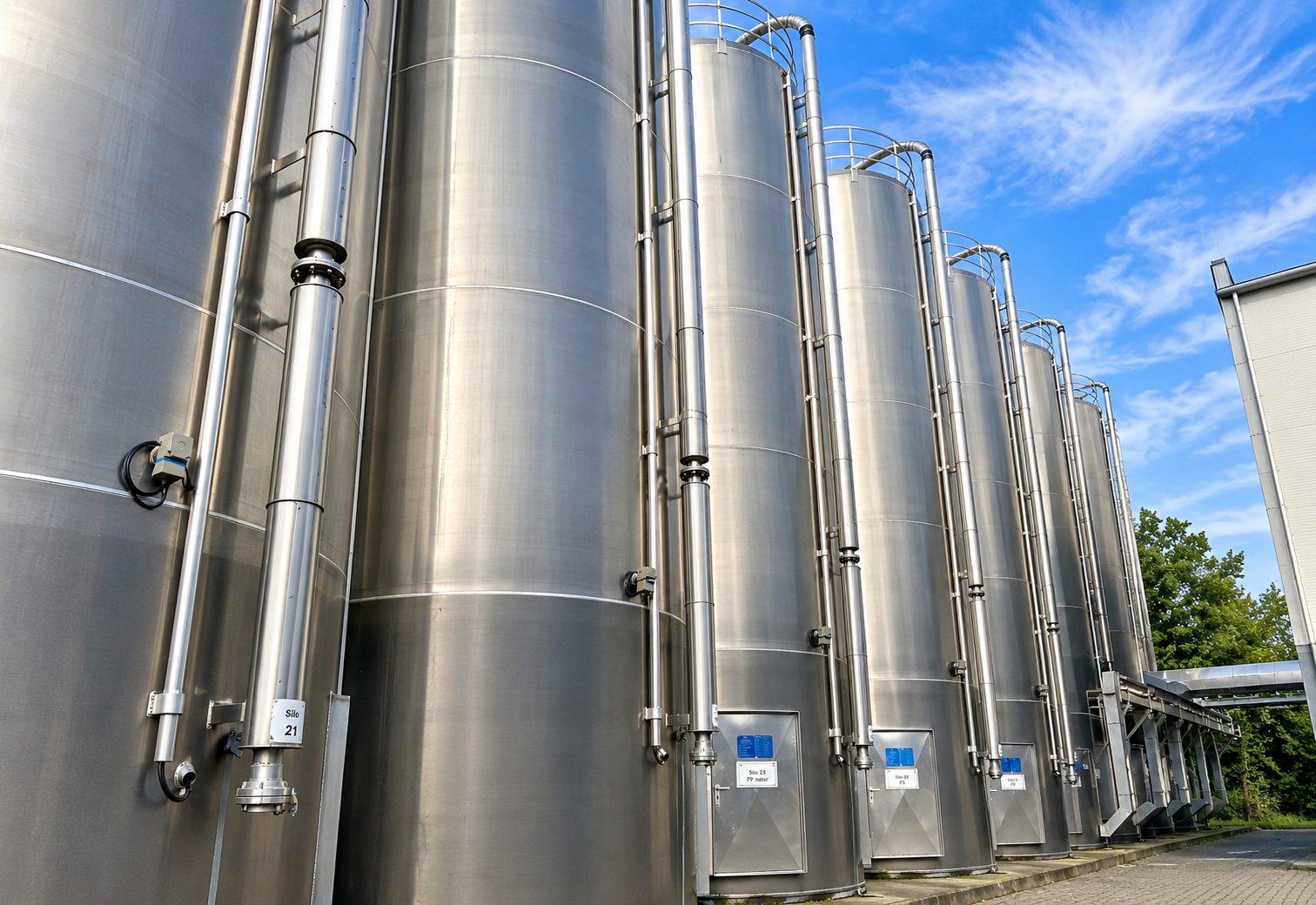
Today, NEUPACK manufactures in Hamburg and Rotenburg (Wümme). Foil extrusion, thermoforming, printing and labelling are closely integrated.
Reliable Production. Flexible Response.
Hamburg is the company headquarters and a long-established production location. Rotenburg (Wümme) has complemented manufacturing since the 1990s. Production capabilities at both sites are coordinated so that capacity can be used as flexibly as possible within suitable product groups.
Our integrated inline production of cups and lids is characterised by excellent energy efficiency.
What began in 1959 with a specific customer requirement still defines NEUPACK today: listening, finding solutions and manufacturing reliably.
Flexibility through Compatible Technology
Quality, Product Safety and Responsible Business Practices
Our company policy sets out the principles governing our business activities. It covers in particular quality and food safety, reliable and efficient processes, continuous improvement, energy efficiency and the responsible use of resources.